
Patient Engagement in Healthcare
Patient engagement plays a major role in both the patient experience and the success of a clinic. When patients feel informed, heard, and supported, they’re more likely to trust their providers, follow care plans, return when they need care again, and recommend the clinic to others.
Today’s patients expect clear communication, convenient digital tools, and simple ways to share feedback about their visit. Healthcare organizations that prioritize patient engagement are better positioned to improve patient satisfaction, build loyalty, and create smoother clinic experiences.
This guide explains what patient engagement means, how patient satisfaction surveys and patient experience surveys help measure it, and how patient engagement software helps healthcare organizations stay connected with patients throughout the care journey.

What is Patient Engagement in Healthcare?
Patient engagement in healthcare refers to how involved patients are in their care. This can include communicating with providers, understanding treatment instructions, following up after a visit, and sharing feedback through patient surveys. More broadly, how patients connect with their urgent care providers.
Engaged patients tend to feel more confident about their care and more comfortable asking questions or participating in decisions about their health.
Healthcare organizations support patient engagement in many ways. That might include clear communication during visits, digital registration tools, appointment reminders, or sending a patient satisfaction survey after a visit.
The goal is simple: make it easier for patients to stay informed, involved, and connected throughout their healthcare experience. Ultimately, it makes patients feel in control of their experience from start to finish.
Patient Engagement vs Patient Experience vs Patient Satisfaction
Patient engagement is closely related to patient experience and patient satisfaction, but each one describes something slightly different.
Patient engagement focuses on how actively patients participate in their care.
Patient experience refers to what actually happens during a visit, including communication with staff, wait times, and the overall flow of the appointment.
Patient satisfaction reflects how patients feel about that experience.
Healthcare organizations often measure both experience and satisfaction through patient surveys. These surveys help clinics understand what’s working well and where improvements might be needed.
Together, engagement, experience, and satisfaction give healthcare organizations a clearer picture of how patients interact with their services.
Design a Better Urgent Care Patient Journey
Learn how urgent care leaders are redesigning the patient journey from the first click to post-visit follow-up to create smoother experiences, reduce friction, and keep patients coming back.

The Patient Engagement Journey
Patient engagement doesn’t happen at just one moment during a visit. It takes place throughout the entire care experience.
Healthcare organizations that focus on engagement at every stage of the patient journey tend to create smoother visits and stronger relationships with patients.
Before the Visit
Patient engagement often starts before a patient even walks through the door. The easier it is for patients to plan their visit and know what to expect, the smoother the experience will be when they arrive.
Effective engagement before the visit can include:
- Letting patients reserve a spot online so they know when they will be seen
- Allowing patients to complete registration and intake forms ahead of time
- Sending reminders that reduce no-shows and help patients plan their visit
- Sharing helpful information like clinic location, hours, and what to bring
These steps reduce uncertainty for patients, shorten check-in time, and help clinics keep visits moving efficiently.
After the Visit
Patient engagement continues after the visit ends. Following up with patients reinforces care instructions and helps clinics gather valuable feedback about the experience.
Post-visit engagement may include:
- Sending follow-up instructions or care reminders
- Sharing prescription or treatment guidance after discharge
- Requesting feedback through patient satisfaction surveys
- Collecting insights through patient experience surveys
These follow-up touchpoints help clinics stay connected with patients while identifying opportunities to improve the overall patient experience.
During the Visit
Once the patient arrives, engagement shifts to communication and transparency. Patients want to understand what is happening during their visit and feel confident about the care they are receiving.
Strong engagement during the visit often includes:
- Clearly explaining diagnoses, treatments, and next steps
- Giving patients time to ask questions and discuss concerns
- Keeping patients informed about wait times or delays
- Making the check-in, triage, and discharge process easy to follow
When patients leave feeling informed and respected, they are much more likely to trust their provider and feel satisfied with their care.
Strengthen Patient Relationships at Every Stage of the Patient Journey
Take a closer look at the common challenges that occur throughout the patient journey and the strategies urgent care clinics can use to solve them. This guide explores practical ways to improve the patient experience, strengthen communication, and turn one-time visits into lasting patient relationships.

What is a Patient Satisfaction Survey?
A patient satisfaction survey is one of the most common ways healthcare organizations gather feedback from patients.
These surveys are usually sent shortly after a visit and ask patients to rate different parts of their experience. Patient satisfaction surveys often include questions about:
- Wait times
- Communication with providers
- Friendliness of the staff
- Ease of scheduling
- Overall satisfaction with the visit
The goal of a patient satisfaction survey is to understand how patients felt about their care and whether the clinic met their expectations.
Over time, survey responses can help healthcare organizations identify trends and make improvements that lead to better patient experiences.
What is a Patient Experience Survey?
A patient experience survey focuses less on opinions and more on what actually happened during a visit.
Instead of asking whether patients were satisfied, these surveys ask about specific parts of the care process.
For example, a patient experience survey might ask
- Did the provider explain your diagnosis clearly
- Were your questions answered during the visit
- How long did you wait before seeing a provider
- Were discharge instructions easy to understand
Because they focus on specific interactions, patient experience surveys often provide practical insights that clinics can use to improve workflows and communication.
Many healthcare organizations use both patient satisfaction surveys and patient experience surveys to get a fuller picture of the patient journey.
What 150,000 Patient Reviews Reveal About Urgent Care Satisfaction
Patient surveys tell you a lot about the patient experience, but online reviews reveal what patients say when they’re speaking freely. An analysis of more than 150,000 Google reviews of urgent care centers found that two factors drive the majority of patient satisfaction: how patients are treated by staff and how quickly their visit moves from check-in to discharge.
This data-driven breakdown shows what patients consistently mention in reviews and what urgent care clinics can do to improve satisfaction scores and reputation.

Why Patient Surveys Matter
Patient surveys give healthcare organizations direct insight into how patients experience their services.
Without feedback, it can be difficult to identify small issues that may affect patient satisfaction, such as communication gaps or workflow delays.
Patient surveys can help clinics:
- Identify operational bottlenecks
- Improve communication with patients
- Track satisfaction trends over time
- Strengthen their reputation and online reviews
- Find opportunities to improve the patient experience
When healthcare organizations consistently review patient survey feedback, they gain valuable information that can help them improve both care delivery and clinic operations.
Examples of Patient Satisfaction Survey Questions
Patient surveys typically include a mix of rating questions and open-ended feedback.
Some common patient satisfaction survey questions include:
- How satisfied were you with your visit today
- Did the provider listen carefully to your concerns
- Was it easy to schedule your appointment
- How would you rate the friendliness of the staff
- Would you recommend this clinic to friends or family
These questions help healthcare organizations understand how patients felt about their visit and what changes might improve future experiences.
Improve the Patient Experience with Faster Urgent Care Visits
Patient surveys and feedback often highlight the same challenges: long wait times, unclear communication, and visits that feel more complicated than they need to be. Improving the patient experience often starts with making the visit itself faster and easier for both patients and staff.
This guide explores practical ways urgent care clinics can streamline workflows, reduce visit times, and create smoother patient experiences without adding more pressure on providers.

What Is Patient Engagement Software?
Patient engagement software helps healthcare organizations manage communication with patients throughout the care journey. These platforms bring together tools that support patients before, during, and after their visit while reducing manual work for staff.
Patient engagement software often includes features such as:
- Digital registration and check-in
- Appointment reminders
- Secure patient messaging
- Automated patient satisfaction surveys
- Patient experience surveys
- Online intake forms
- Post-visit follow-up communication
More advanced patient engagement platforms may also include AI-powered tools, such as virtual assistants or care agents, that help answer common questions, guide patients through next steps, and provide timely information without requiring staff involvement.
By centralizing communication and automating routine interactions, patient engagement software helps clinics stay connected with patients while maintaining efficient workflows.
How Patient Engagement Software Supports Urgent Care Clinics
Urgent care clinics operate in fast-paced environments where efficiency and communication are especially important.
Patient engagement software helps clinics streamline the patient journey while maintaining clear communication with patients.
With the right engagement tools in place, clinics can:
- Simplify registration and check-in
- Reduce administrative workload for staff
- Automatically send patient surveys after visits
- Manage reviews and compare against competitors in one place
- Stay connected with patients after they leave the clinic
These tools help urgent care organizations deliver better patient experiences without slowing down operations.
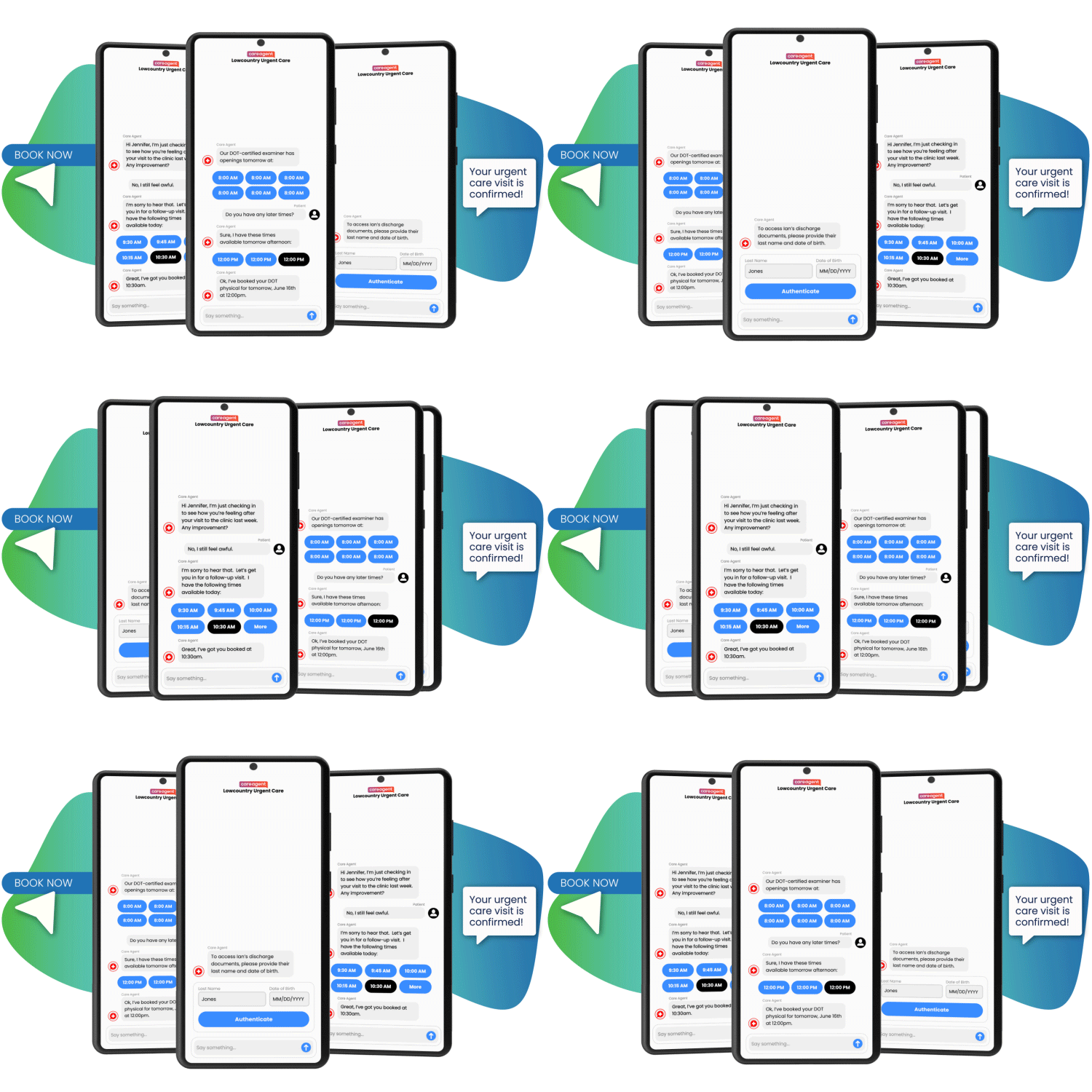
Give Patients Answers Without Pulling Staff Away From Care
Many urgent care delays happen outside the exam room when patients are unsure what to expect, what comes next, or how to get answers after they leave. Care Agent helps close those gaps by automatically delivering timely updates, instructions, and follow‑up so staff can stay focused on care.
Automate Patient Communication
Improve Patient Engagement Without Adding More Work for Staff
Urgent care teams are expected to move quickly while still delivering a clear, supportive patient experience. When communication breaks down, staff spend valuable time answering repeat questions, tracking down information, and managing follow-up that pulls attention away from care.
Experity’s patient engagement solution is built to reduce that friction by simplifying how clinics communicate with patients at every stage of the visit.
With digital check-in, online registration, automated messaging, patient surveys, and AI-powered Care Agent support, Experity helps urgent care clinics:
- Reduce front desk congestion and inbound call volume
- Answer common patient questions automatically and consistently
- Set clearer expectations around wait times, results, and next steps
- Deliver discharge instructions and follow-up information without manual outreach
- Capture patient feedback reliably without adding staff workload
With tools for online check-in, digital registration, patient messaging, and automated patient surveys, Experity helps clinics streamline the patient journey from start to finish.
The result is a better patient experience, stronger retention, and a clinic that runs more efficiently every day.

Frequently Asked Questions About Patient Engagement
What is patient engagement in healthcare?
Patient engagement in healthcare refers to how actively patients participate in their care. This can include communicating with providers, understanding treatment plans, completing follow-up care, and sharing feedback through patient surveys or patient satisfaction surveys. Engaged patients are more likely to follow medical advice, return for future care, and report higher satisfaction with their healthcare experience.
Why is patient engagement important in healthcare?
Patient engagement improves both patient outcomes and clinic performance. When patients feel informed and involved in their care, they are more likely to follow treatment plans and return for future visits. For healthcare organizations, stronger engagement can lead to higher patient satisfaction, better retention, and more positive online reviews.
What is a patient satisfaction survey?
A patient satisfaction survey is a questionnaire used to measure how satisfied patients were with their healthcare experience. These surveys typically ask patients to rate factors such as wait times, provider communication, staff friendliness, and overall satisfaction with the visit. Healthcare organizations use patient satisfaction surveys to identify opportunities to improve care and service quality.
What is the difference between a patient satisfaction survey and a patient experience survey?
A patient satisfaction survey measures how patients felt about their care, while a patient experience survey focuses on what actually happened during the visit. Experience surveys may ask whether instructions were clearly explained or whether wait times were reasonable. Many healthcare organizations use both types of patient surveys to better understand the full patient journey.
What is a patient survey?
A patient survey is any questionnaire used to gather feedback from patients about their healthcare experience. Patient surveys may include patient satisfaction surveys, patient experience surveys, or other feedback tools that help healthcare organizations understand how patients perceive their care and where improvements may be needed.
What does patient engagement software do?
Patient engagement software helps healthcare organizations manage communication and interactions with patients throughout the care journey. These platforms often include tools for online scheduling, digital check-in, appointment reminders, patient messaging, and automated patient surveys. By centralizing communication, patient engagement software helps clinics improve the patient experience while reducing administrative workload.
How do healthcare organizations measure patient engagement?
Healthcare organizations measure patient engagement using a combination of tools and metrics. These may include patient satisfaction surveys, patient experience surveys, online review feedback, appointment follow-through rates, and patient communication activity. Together, these insights help clinics understand how actively patients participate in their care.
What is an example of patient engagement?
Examples of patient engagement include patients scheduling visits online, completing digital intake forms before arriving, asking questions during their appointment, following care instructions after the visit, and providing feedback through patient surveys. These interactions help patients stay involved in their care and help clinics improve the overall patient experience.
What features should patient engagement software include?
Effective patient engagement software typically includes tools that support communication and feedback throughout the patient journey. Common features include online scheduling or check-in, digital registration and intake forms, appointment reminders, secure messaging, automated patient satisfaction surveys, and post-visit follow-up communication.
How can urgent care clinics improve patient engagement?
Urgent care clinics can improve patient engagement by simplifying the patient journey and maintaining clear communication at every stage. Strategies include offering online check-in, sending appointment reminders, providing clear visit instructions, following up with patients after their visit, and collecting feedback through patient satisfaction surveys and patient experience surveys.