
Expanding Pediatric Care Across Alaska
In many communities, there is an urgent care on nearly every corner, It’s hard to believe that access to healthcare is an issue across rural America. For the people who live there, getting care often means traveling long distances, arranging transportation, or delaying treatment until an appointment becomes available. Nearly one in five Americans live in rural areas, and research shows telehealth can help close some of those access gaps by reducing travel burdens and connecting patients with care more quickly. (National Library of Medicine), (National Library of Medicine.)
Those challenges are amplified in Alaska, where geography and weather routinely affect when and how families can access care. Alaska Children’s Urgent Care and Outreach serves families across the state through a combination of in-person urgent care, school-based telemedicine programs, outreach services, and statewide telemedicine. Since partnering with Experity in 2025, the organization has grown visit volume by 264% while continuing to expand care options for families in remote and underserved communities.

Creating More Access Without Sacrificing Continuity
As Alaska Children’s Urgent Care and Outreach continued to grow, Jennifer Austin, Medical Director, knew the organization needed technology capable of supporting multiple care models while maintaining consistent documentation and clinical workflows.
“As a pediatric-focused urgent care serving families across Alaska, we needed an EMR designed for the fast pace of urgent care while still supporting high-quality, compassionate pediatric care,” Austin said.
Alaska Children’s Urgent Care and Outreach provides care through traditional urgent care visits, school-based telemedicine programs, outreach initiatives, and statewide virtual care. As those services expanded, maintaining a complete patient record across every setting became increasingly important.
“Because many Alaska families face weather, transportation, or geographic barriers to care, having an EMR that supports flexible care delivery has allowed us to expand access via statewide telemedicine while maintaining continuity and documentation standards,” Austin said.
The same infrastructure supports school-based virtual care programs that connect children with providers while working alongside school nurses, caregivers, and other adults involved in a child’s health. Patient information and documentation remain connected across urgent care, telemedicine, outreach, and school-based care settings.
Supporting Growth While Maintaining a Personal Touch
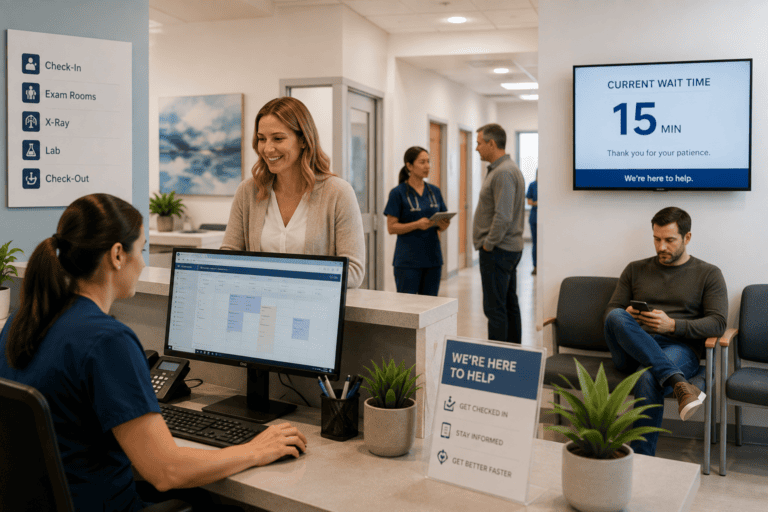
Maintaining a positive patient experience becomes more difficult as visit volume grows. Seasonal illness surges can place additional pressure on clinics, creating longer wait times and heavier administrative workloads.
Austin says one of the organization’s biggest successes has been improving workflow efficiency while preserving the personalized approach families expect from a pediatric provider.
“Experity has helped our team move patients through the visit process more smoothly, which is especially important during respiratory illness surges and busy seasonal periods in Alaska.”
The ability to support both operational efficiency and personalized pediatric care has helped Alaska Children’s Urgent Care and Outreach continue expanding services across the state. As patient volume has increased, the organization has been able to support broader access initiatives while preserving the family-centered experience that remains central to its mission.
Looking Ahead
Telehealth is often discussed as a matter of convenience, but research suggests access remains the larger challenge in many rural communities. One recent study found rural patients are generally willing to use telehealth when services are available and that access to those services remains a greater barrier than patient interest in virtual care.
“Our top initiative this year is expanding access to pediatric care across Alaska through a combination of urgent care, telemedicine, outreach, and improved care coordination.”
Related Resources

- Blog
← Back to Resources How Inefficient Clinical Workflows Contribute To Provider Burnout Urgent care providers spend their days making decisions. They evaluate symptoms, order tests,
- Blog
← Back to Resources The Hidden Barrier To Better Patient Flow 08/26/2026 BlogPatient Experience, Urgent Care Operations Patient flow is one of the clearest measures

- Blog
← Back to Resources The Hidden Cost of Broken Relationships in Urgent Care 08/26/2026 BlogPractice Growth, Urgent Care Operations Urgent care depends on relationships that
Sign Up for the Urgent Care Minute
Join over 20,000 healthcare professionals who receive our monthly newsletter.
Sign up to get monthly resources right to your inbox
Join more than 20,000 healthcare pros who score our free tips, tricks, guides, and the latest industry news.
By signing up, you agree to receive marketing emails from Experity and agree to our Privacy Policy. You can unsubscribe at any time.