
What Is On-Demand Care? A Guide to the Evolving Healthcare Model
Patients want healthcare that fits their lives. They may need to visit an urgent care clinic after work, connect with a provider virtually from home, or receive treatment for a workplace injury. Their needs vary, and so do the ways healthcare organizations can meet them.
These options reflect the evolution of on-demand healthcare, a model built around greater flexibility in how, where, and when patients receive care. Making that possible takes coordination across the organization. Providers need the right information, patients need clear ways to access services, and staff need technology that helps them manage care across different settings.
In This Guide:
Why Is On-Demand Healthcare Evolving?
How Does On-Demand Healthcare Give Patients More Flexibility?
Which Care Models Support On-Demand Healthcare?
What Does It Take to Deliver Care on Patients’ Terms?
What Does On-Demand Healthcare Look Like in Practice?
What Should Healthcare Leaders Consider Before Expanding On-Demand Care?
What Is On-Demand Healthcare?
On-demand healthcare is a model of delivering timely, convenient care that gives patients greater flexibility in how, where, and when they access appropriate medical services.
Urgent care, telehealth, and occupational medicine all have a place in this model. Each meets different needs, and patients’ options depend on the services available and the type of care they require.
The appeal is straightforward. Someone with a minor illness might connect with a provider virtually from home, even late at night. A patient who needs an X-ray can visit an urgent care clinic, often without an appointment. An employee injured at work may receive treatment through an employer’s occupational health program.
With 24/7 telehealth, patients can also get help determining their next step when a physical clinic is closed. Some may be treated virtually, while others may need testing or hands-on care when the clinic opens. Either way, they have a way to begin addressing their healthcare needs.
Why Is On-Demand Healthcare Evolving?
Urgent care has spent decades building its business around convenience. According to the Urgent Care Association, 89.4% of the U.S. population lives within a 20-minute drive of an urgent care center. The association also reports an average visit time of 56 minutes.
Patients have embraced that access. A 2026 National Center for Health Statistics report, based on the 2024 National Health Interview Survey, found that 27.6% of Americans visited an urgent care center at least once during the previous year.
As Steve Sellars of the Urgent Care Association observed, “Consumers have rewarded our industry for respecting their time.”
That expectation now extends to more of the healthcare experience. Patients can research their options online, reserve visits, complete registration before arrival, and receive certain services virtually. They have more ways to get care and more information to help them decide where to go.
Greater choice also raises expectations. Nick Hoard of Patient Care Marketing Pros captured the challenge during an Experity webinar: “Where there is choice, expectations go up.”
For healthcare organizations, those expectations arrive alongside familiar pressures. Staffing remains difficult, patient volume can swing dramatically between locations, and opening another clinic requires significant investment. Offering care through additional channels may help organizations reach patients and use available resources more effectively.
Virtual care is one example. The U.S. Department of Health and Human Services identifies reduced travel and improved access to providers among telehealth’s benefits, particularly for patients facing geographic barriers.
The opportunity for healthcare organizations is to bring these options together in ways that work for their patients and their operations.

How Does On-Demand Healthcare Give Patients More Flexibility?
The idea of care on patients’ terms comes down to three questions: How can they receive care? Where can they get it? And when is it available?
How Patients Receive Care
Consider two patients with very different needs. One wakes up with a sore throat and wants to speak with a provider. Another has injured an ankle and may need imaging. A virtual consultation could be appropriate for the first patient, while the second may need an in-person examination.
Offering different ways to receive care gives patients options that fit their circumstances. It also means healthcare organizations need a clear process for determining which services are appropriate and helping patients move between them.
A virtual visit, for example, may reveal that a patient needs diagnostic testing. If that patient can be directed to a nearby clinic with the relevant encounter information available to the care team, the transition becomes easier for everyone involved.
Where Patients Access Care
For someone living near several urgent care clinics, finding a convenient location may be relatively simple. Families in rural communities can face a very different situation, particularly when specialized services require hours of travel.
Virtual care can help bridge some of those distances. Workplace programs and community-based services can also bring care closer to people who need it.
Access still depends on local conditions. A 2026 study published in JAMA Health Forum examined how broadband availability and subscriptions affect telehealth access in rural communities. The research highlights a practical limitation: virtual services can only improve access when patients have the technology and connectivity to use them.
Healthcare organizations need to understand the communities they serve before deciding which combination of physical and virtual services will be most useful.
When Patients Can Get Care
A parent searching for urgent care at 10 p.m. may already be thinking about the next morning. Their child is sick, the nearest clinic is closed, and they want to know what to do.
With 24/7 telehealth, that parent may be able to connect with a provider immediately. Depending on the child’s symptoms, the provider might recommend treatment that can be managed virtually, advise the family to visit an urgent care clinic when it opens, or direct them to emergency care if the situation requires it.
Even when treatment needs to happen in person, the family has taken an important step toward getting care. They have guidance on what to do next and can make arrangements based on the child’s needs.
For healthcare organizations, offering virtual care outside clinic hours can extend access while keeping patients connected to their existing services. Digital scheduling and registration can also help patients prepare for an in-person visit, whether they’re booking late at night or early in the morning.
In Experity’s Booked or Bypassed webinar, urgent care leaders discussed elevated booking activity between 5 a.m. and 8 a.m., when patients wake up feeling ill and begin looking for available treatment. Understanding when patients seek care can help organizations align their virtual services, digital access, and clinic availability with that demand.
Which Care Models Support On-Demand Healthcare?
Urgent care, telehealth, and occupational medicine each contribute something different to on-demand healthcare. Understanding their strengths helps organizations decide how to expand access while keeping care clinically appropriate.

Urgent Care and Walk-In Services
Urgent care is one of the clearest examples of on-demand healthcare. Patients can receive treatment for many nonemergency illnesses and injuries without waiting days for an appointment.
Many clinics can also perform diagnostic testing or imaging during the visit. That allows patients to receive an evaluation and, when appropriate, begin treatment without having to arrange services elsewhere.
For healthcare organizations, urgent care offers an established clinical setting that can support additional services. Its staffing, facilities, and operational infrastructure may also accommodate occupational medicine or other appropriate care offerings.
Telehealth and Telemedicine
Telehealth allows patients to connect with providers remotely when their needs are appropriate for virtual care. The terms telehealth and telemedicine are often used interchangeably, although telehealth has a broader meaning that can include patient education and remote monitoring. The Health Resources and Services Administration provides additional guidance on these services.
For urgent care operators, virtual visits can extend access beyond the clinic’s physical location and operating hours. With 24/7 availability, patients can seek clinical guidance whenever a need arises, even if their condition ultimately requires an in-person visit.
Virtual care can also help organizations use provider capacity across locations. Imagine a group with several clinics. One location has a full waiting room, while a provider at another has time available. If a patient can be treated virtually, the organization may be able to connect that patient with the available provider.
Making these services work together requires more than a video connection. The patient needs to register and understand how to join the visit. The provider needs access to the encounter and a way to document treatment. The organization must also handle payment, billing, and any follow-up care.
When those activities remain connected to the clinic’s existing systems, virtual care becomes easier to manage as part of the larger operation.
For more on the industry’s direction, read How Far Should Urgent Care Move Beyond Episodic Care?.


Occupational Medicine and Employer-Directed Care
An employee injured on the job may need treatment that day. Another may need a scheduled physical examination or drug screening. Occupational medicine serves both needs, making it a natural extension for urgent care organizations that already provide episodic treatment.
Employer relationships can also create a more consistent source of visits throughout the year. Clinics can use their existing facilities and staff to serve additional patients while building relationships with local businesses.
The administrative side requires special attention. Employers may have their own treatment protocols, reporting requirements, and fee schedules. Workers’ compensation and employer-paid services also introduce billing arrangements that differ from traditional urgent care.
Clinics offering both services need a way to manage those requirements without creating unnecessary work for staff.
What Does It Take to Deliver Care on Patients’ Terms?
Patients generally don’t see the work involved in connecting different care settings. They want to know that they can get an appointment, that the provider has the information needed to treat them, and that the experience will be straightforward.
Behind that experience, clinic teams have to manage patient demand while keeping care moving and making sure the organization gets paid appropriately. Adding virtual visits or new service lines brings more variables into an already busy operation.
Connected healthcare technology helps organizations manage those demands while maintaining a consistent experience across care settings. Several capabilities become especially important as services expand.
Connect Patient Access and Communication
A patient may decide where to seek care long before speaking with anyone at the clinic. They are checking availability, looking for a convenient option, and trying to understand what will happen when they arrive.
Digital scheduling and registration can help patients take care of those steps ahead of time. Clear communication also helps them prepare for the type of visit they’ve chosen.
Someone booking telehealth needs to know how to join the consultation. An employee visiting for occupational medicine may need instructions from their employer. A walk-in patient may simply want to know how long the wait could be.
When patients can find that information and complete the necessary steps themselves, staff have fewer routine questions to manage and more time to help the people who need assistance.
Keep Clinical Information Connected Across Settings
A virtual consultation may lead to an in-person visit. A patient seen for an occupational injury may return for follow-up treatment. In either situation, the next provider needs to understand what happened during the earlier encounter.
Having that information available can save time and reduce repeated questions or documentation. It also helps the care team make decisions with a clearer picture of the patient’s treatment.
Electronic medical records play a central role here. Organizations expanding into additional services should consider how clinical information will move between settings and whether their technology supports the documentation requirements of each type of visit.
Coordinate Capacity and Business Operations
One of the challenges of running multiple clinics is that demand rarely distributes itself evenly. A location may be overwhelmed in the morning and quiet by midafternoon. Another may have available providers while patients elsewhere are waiting.
Understanding those patterns helps operators make better decisions about scheduling and staffing. It can also reveal where virtual care might allow an organization to use provider capacity that would otherwise go unused.
Practice management technology helps teams coordinate the encounters and administrative work behind those decisions.
Billing adds another layer. Telehealth visits may have different reimbursement requirements from in-person treatment, while occupational medicine can involve employer-paid services or workers’ compensation. Organizations need accurate documentation and a clear view of financial performance as their service offerings expand.
Use AI and Healthcare Automation to Reduce Operational Friction
When a clinic is busy, repetitive administrative work can consume time that providers and staff need for patient care. AI and automation can help with some of that work, particularly where tasks follow established processes or involve moving information between systems.
Clinical documentation is one area where the impact is already measurable. In Experity’s Holden Urgent Care case study, providers using AI Scribe reduced average chart sign-off time from 21 minutes to 15 minutes, a 29% improvement.
Other applications address work outside the exam room. AI-enabled communication tools can assist with routine patient interactions, and insurance matching technology can help staff identify coverage information during registration. Revenue cycle automation can also reduce manual effort involved in processing claims and identifying errors.
These improvements matter because time spent on one task affects what teams can accomplish elsewhere. A provider who finishes documentation sooner has more time available. Accurate registration information gives billing teams a better starting point, while automated patient communications can reduce the calls staff need to handle.
The role of AI in healthcare operations extends across the patient journey, but organizations should choose applications based on the problems they need to solve. Staff training, clinical oversight, privacy, and measurable results all remain essential.
What Does On-Demand Healthcare Look Like in Practice?
Two organizations illustrate how different care models can serve patients while making use of existing clinical operations.
Expanding Pediatric Care Across Alaska
For families in Alaska, getting a child to a healthcare provider can involve considerable travel. Weather and distance can make access especially difficult for families living outside major population centers.
Alaska Children’s Urgent Care and Outreach has expanded its reach through in-person urgent care, school-based telemedicine, outreach programs, and statewide virtual care.
These services give families different ways to connect with providers depending on where they live and what their children need. Physical clinics remain available for hands-on treatment, while telemedicine and outreach help the organization serve patients across a much larger area.
Since partnering with Experity in 2025, the organization has reported 264% growth in visit volume as it continued expanding its services. That growth reflects the organization’s broader operations and access initiatives.
Its experience shows how a healthcare organization can combine care settings to reach more patients while maintaining a connected clinical operation.
Bringing Urgent Care and Occupational Medicine Together
Urgent care and occupational medicine often share clinical resources, but the visits can look quite different from an administrative standpoint. A walk-in patient may need treatment for an illness, while an employee arriving for a workplace injury may have specific employer requirements that affect documentation and billing.
Compcare’s experience with Experity shows how technology can support organizations offering both types of care.
For operators considering occupational medicine, the opportunity is to serve employers and their workers using much of the clinical infrastructure they already have. Managing the different requirements within the same operation can help clinics add services without creating an entirely separate administrative process.

What Should Healthcare Leaders Consider Before Expanding On-Demand Care?
Adding telehealth or another service line can help an organization reach patients it might otherwise miss. Before moving forward, leaders need to understand where the opportunity exists and whether their clinics have the resources to support it.
A useful starting point is to examine the following:
- Patient demand: Where are patients having difficulty accessing care? Look at visit patterns, requests for services, geographic coverage, and the hours when demand is highest.
- Clinical appropriateness: Which services can be delivered safely in each setting? Define when patients need in-person treatment and how providers will handle those transitions.
- Provider capacity: How does demand vary across locations and throughout the day? Determine whether existing staffing can accommodate additional services.
- Technology integration: Can patients register, receive care, and complete follow-up without unnecessary duplication? Consider how information moves between the systems your teams use.
- Financial performance: What will it cost to offer the service, and how will reimbursement work? Evaluate the expected volume and financial requirements before expanding.
- Patient continuity: Who is responsible when a patient moves between virtual and in-person care? Make sure the next care team has the information it needs.
The answers may reveal opportunities to improve existing operations before investing in new services. A clinic struggling with long waits, for example, may benefit from examining patient flow and provider capacity before adding another access channel.
Experity’s Urgent Care Operational Performance Center offers practical exercises and performance measures to help operators examine access, throughput, staff capacity, revenue, and growth readiness.
Building a Connected Foundation for On-Demand Care
On-demand healthcare gives patients more ways to get the care they need, including access to clinical guidance when a physical clinic is closed. Urgent care, telehealth, and occupational medicine each contribute to that flexibility, helping organizations serve patients across different settings and respond to needs as they arise.
As healthcare organizations expand their offerings, they also need to make sure their operations can keep up. Providers need access to clinical information, patients need clear communication, and staff need tools that help them manage the work involved in delivering care across different settings.
Experity is expanding its technology ecosystem to help organizations meet those needs. Its AI Operating System for On-Demand Care connects the patient, clinical, and business sides of urgent care and related services, giving organizations a foundation for extending access and growing their operations.
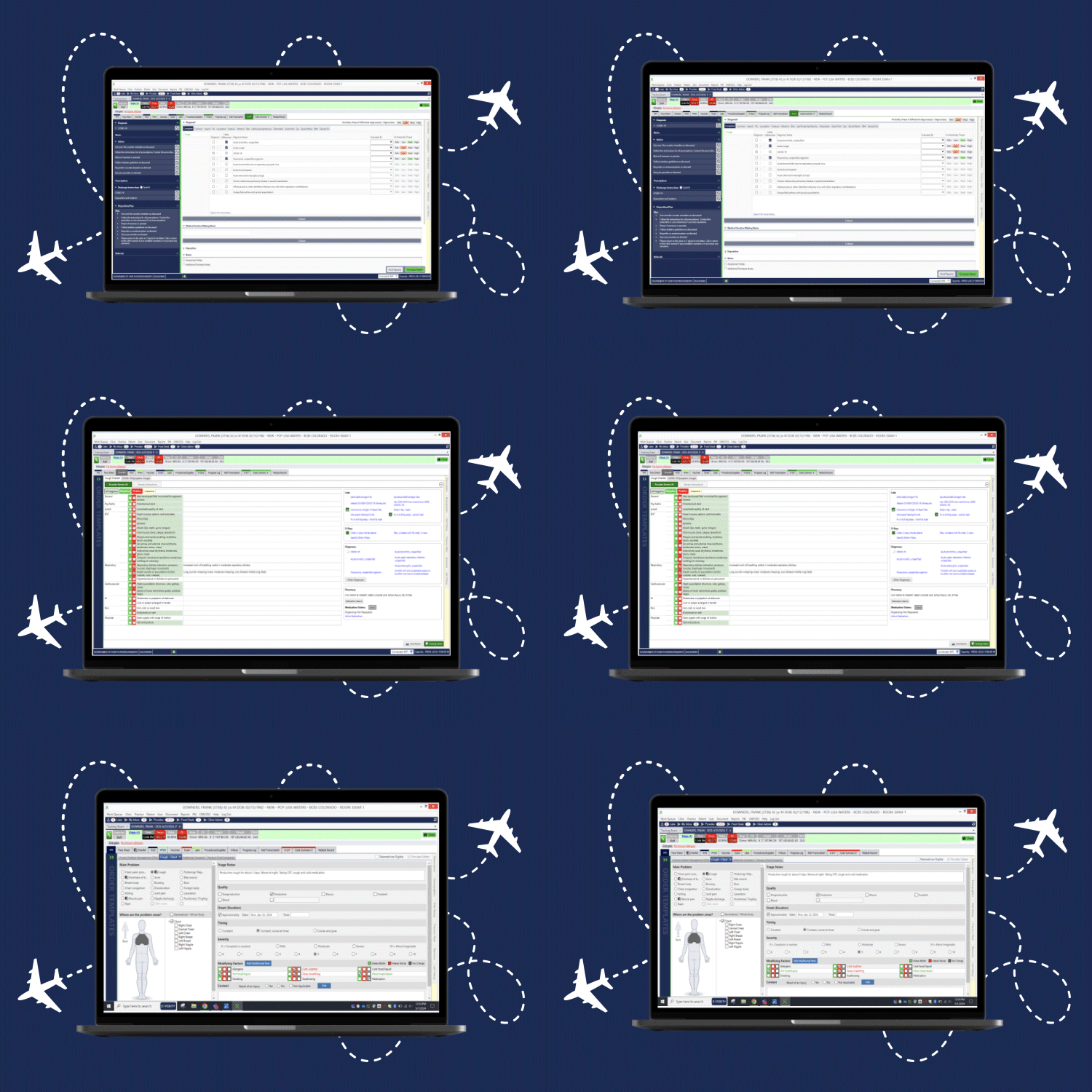
Explore Experity’s AI Operating System for On-Demand Care
See how Experity connects patient engagement, clinical technology, practice management, and AI-powered capabilities to support the evolving needs of on-demand healthcare organizations.
Explore the Experity AI Operating System